Teaching Philosophy and Principles
The Cecchetti Council of America (CCA) is committed to teaching the Cecchetti Method with integrity, consistency, and respect for its classical foundation. Our teaching philosophy reflects the principles of Maestro Enrico Cecchetti and supports the development of dancers who are strong, knowledgeable, and artistically expressive.

Classical Tradition with Clear Purpose
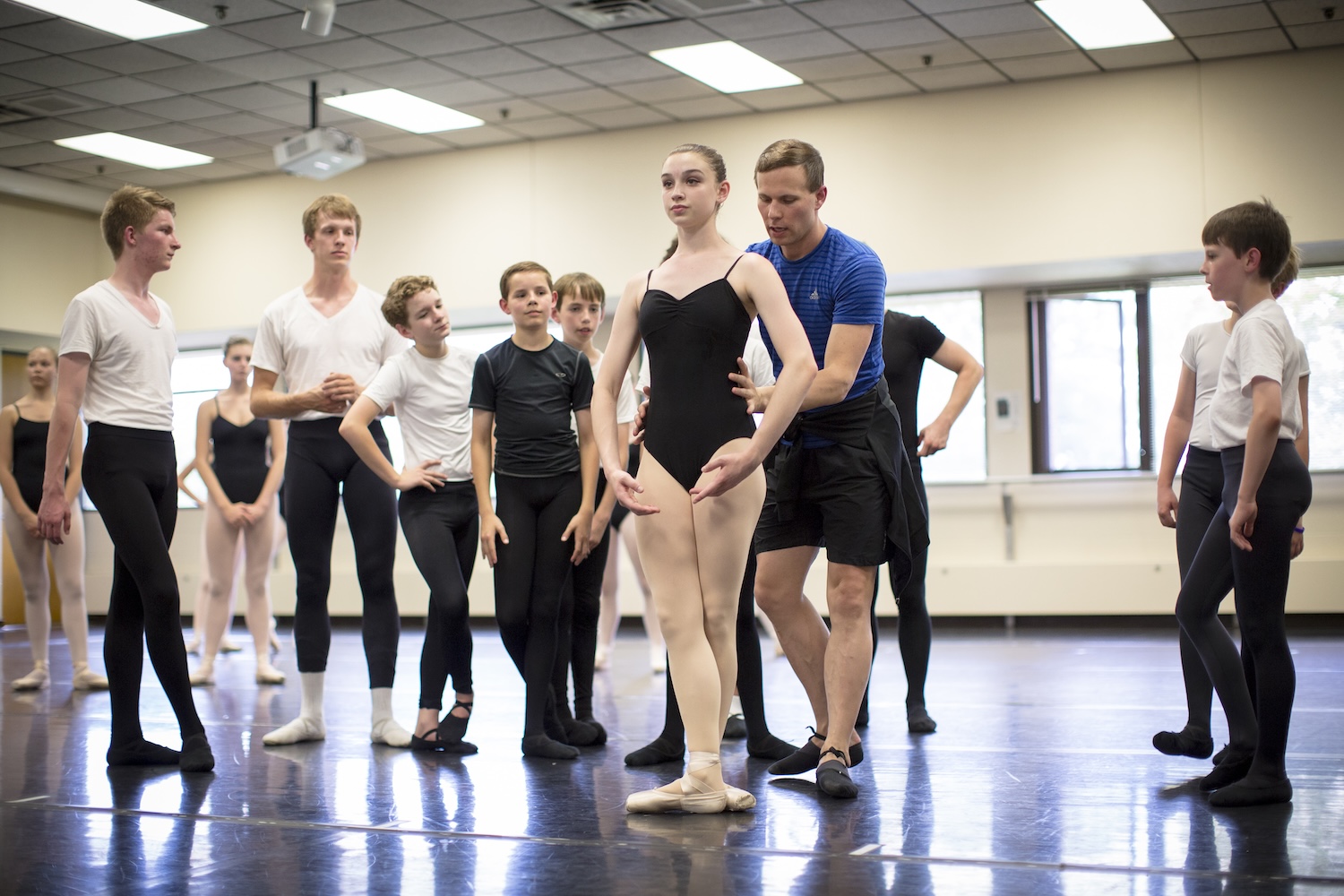
The Cecchetti Method is rooted in a codified system of classical ballet training. Each movement is taught with intention and clarity, ensuring that dancers understand not only how to execute steps, but why they are performed. This structured approach creates a reliable and comprehensive technical foundation.
Anatomical Awareness and Safe Progression
An understanding of natural alignment and anatomical correctness is central to the method. Movements work in harmony with the body to promote strength, coordination, and injury prevention. Progression is logical and deliberate, allowing dancers to advance safely and sustainably.

Consistency, Clarity, and Musicality
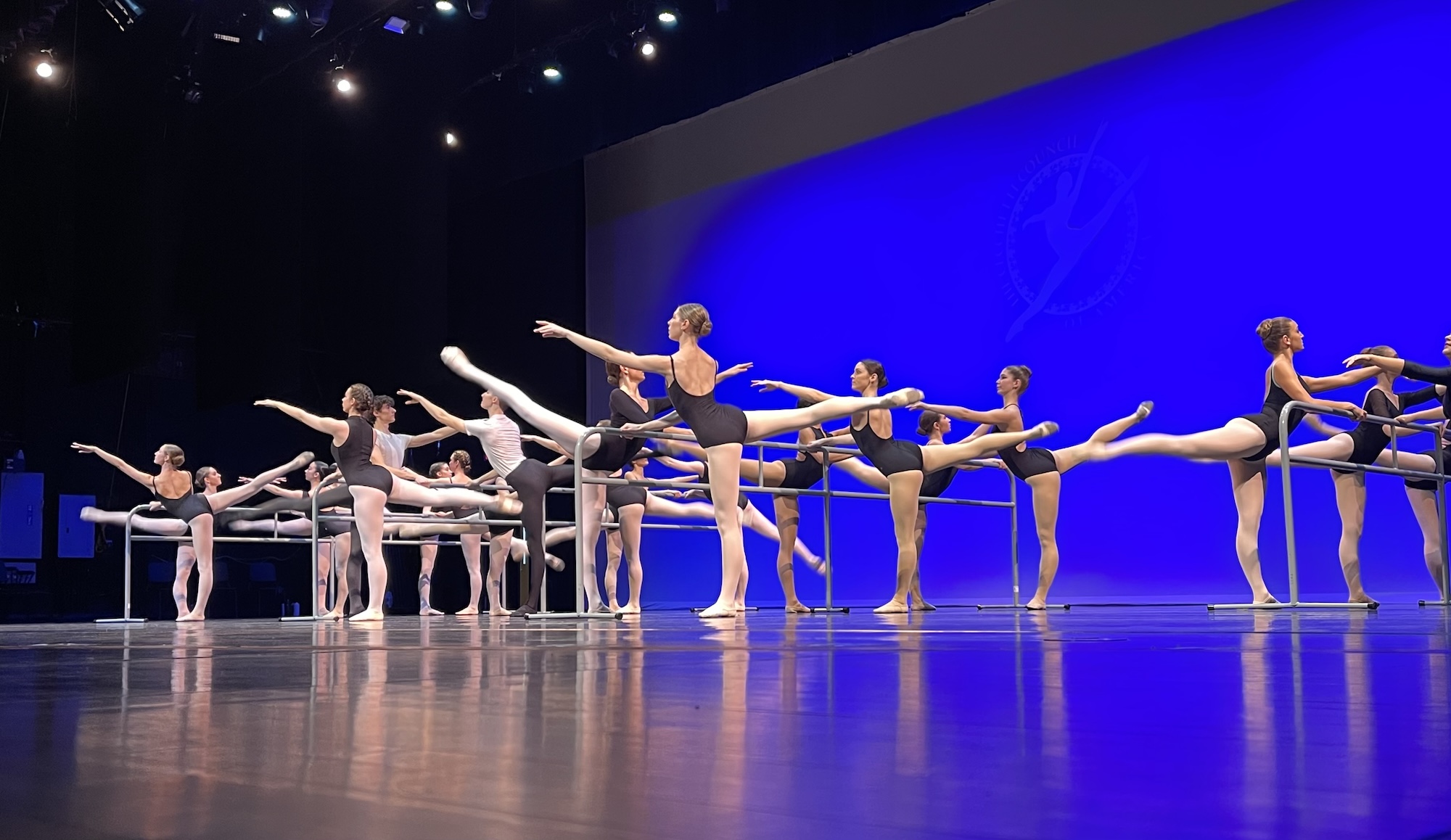
CCA teachers emphasize consistency of placement, coordination, and use of épaulement, supported by strong musical awareness. Musicality is woven into every aspect of training, encouraging dancers to move with phrasing, rhythm, and expressive clarity.
Individual Growth Within a Structured System
While the method is codified, it also recognizes the individuality of each dancer. Teachers address personal strengths and challenges while maintaining the integrity of the syllabus, fostering confidence, discipline, and artistic growth.


Education, Examination, and Accountability
The CCA upholds high standards through comprehensive examinations and ongoing teacher education. These systems provide accountability, support professional growth, and ensure that the Cecchetti Method is taught accurately and consistently.
Developing the Whole Dancer
Beyond technique, the Cecchetti philosophy develops dancers who are focused, thoughtful, and musically intelligent. These principles extend beyond the studio, preparing dancers for a lifetime of learning, movement, and artistry.

The teaching philosophy of the Cecchetti Council of America balances tradition and growth, structure and individuality—developing dancers who move with intelligence, confidence, and purpose.