Syllabus Overview
The Cecchetti Council of America (CCA) offers a comprehensive examination syllabus for students and teachers. Designed to evaluate both technical proficiency and artistic understanding, the syllabus provides clear benchmarks for progress while supporting healthy development, confidence, and a deep appreciation for classical ballet.
CCA examinations reflect the integrity of Maestro Enrico Cecchetti’s teachings and are presented by accredited member teachers. Each level offers attainable goals that encourage discipline, self-awareness, and pride in achievement.
Early Childhood Development
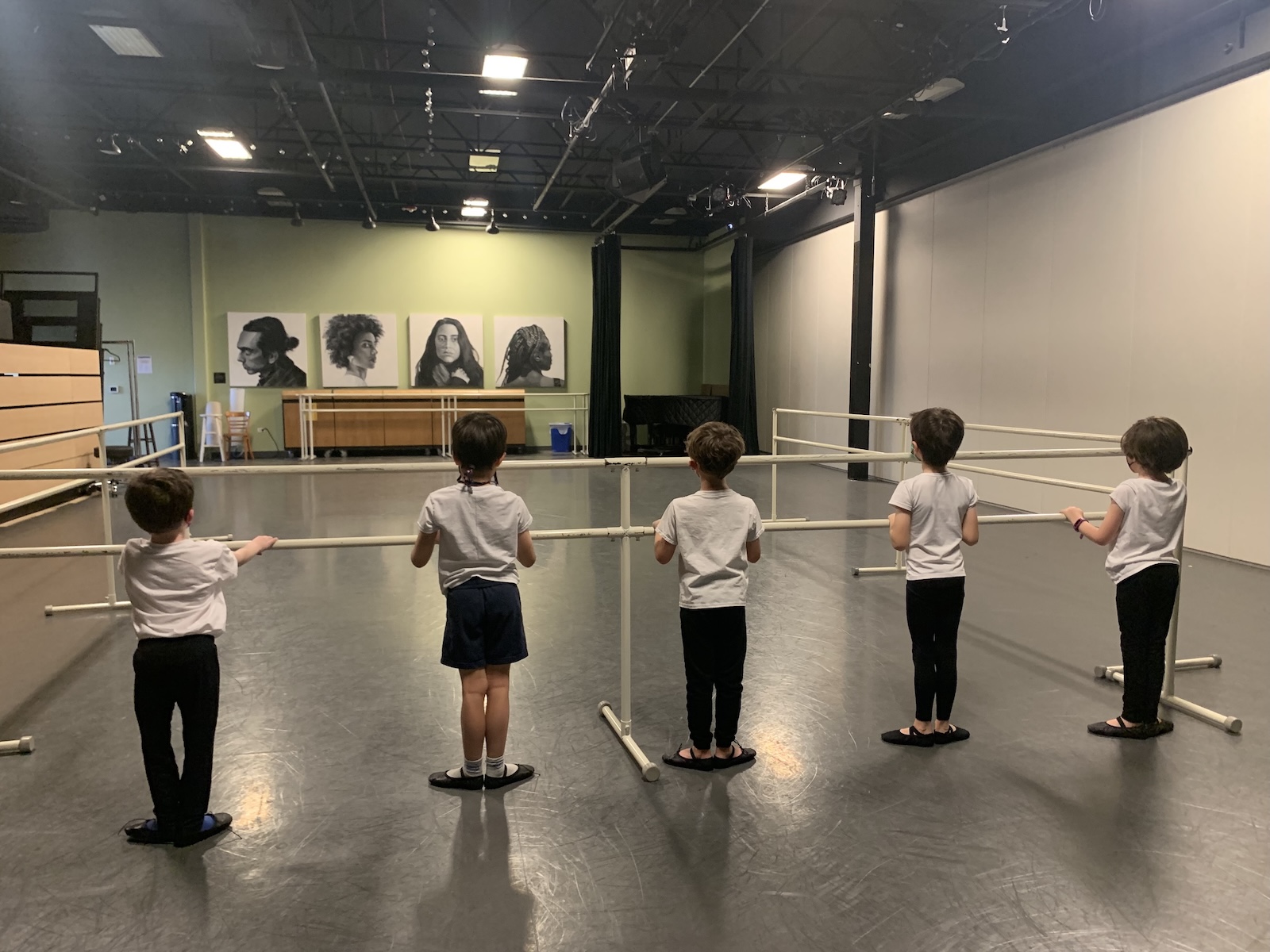
The CCA offers three Primary examinations for young dancers ages 5–9: Primary One, Two, and Three. These levels introduce the fundamentals of poise, musicality, and coordination. Examinations are teacher-led, allowing students to demonstrate their work with confidence and joy in a positive and creative environment.
A teacher must be a Member holding at least the Grade I Teaching Certificate to present students at the Primary level.
Grade I and II
The first graded levels support dancers who are beginning a more focused technical training. Emphasis is placed on correct placement of the torso, hips, and legs, along with coordinated use of the arms and head. Movement is developed within anatomical limitations, with attention to smooth transitions and clarity of execution.


Grade III and IV
At these levels, dancers demonstrate increased strength, stability, and musical maturity. Training emphasizes pirouettes, grand allegro, suppleness, and coordination of the whole body.
For the Grade IV examination, students present a one-minute student choreographed solo, encouraging expressive performance and an understanding of choreographic structure through unset movement.
Professional-Level Examinations
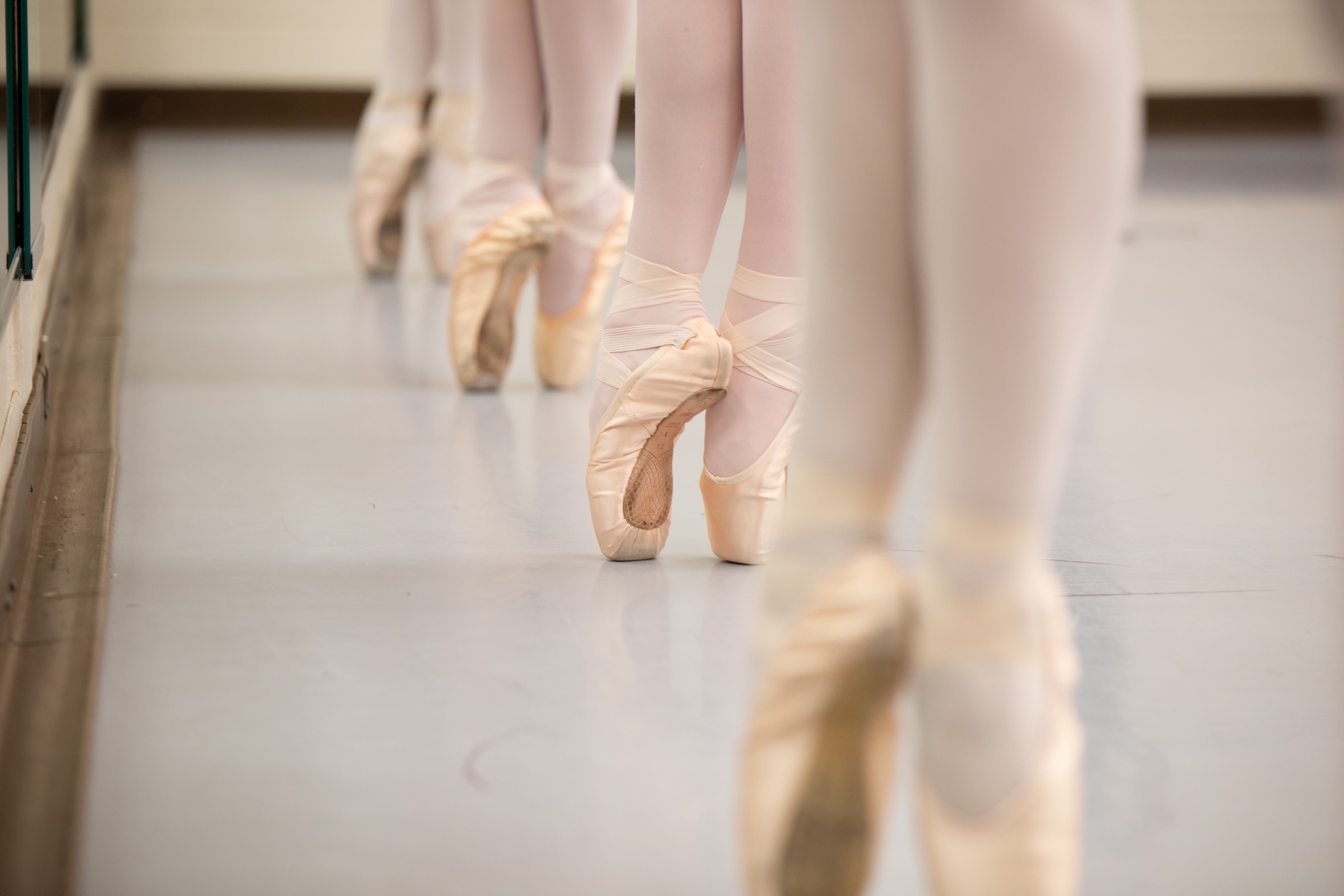
The Elementary Syllabus marks the beginning of the professional examination track and serves as a bridge between graded and advanced work. It reflects a mature, professional approach to the Cecchetti Method and includes adage, pirouettes, pointe work, and the execution of beats.
The Intermediate, Advanced, and Diploma syllabi are maintained by the Imperial Society of Teachers of Dancing (ISTD) in London and are shared among Cecchetti societies worldwide. These examinations represent the culmination of Cecchetti training, showcasing the method’s hallmark adages, pirouettes, allegro, and virtuosic jumps.


A Shared International Tradition
Through this internationally recognized syllabus, Cecchetti’s legacy continues to thrive across generations and borders. The work develops strong classical lines, sound anatomical placement, musical intelligence, and expressive artistry – preparing dancers for professional performance and lifelong engagement with classical ballet.